



SINCE August, smoke from forest fires in Indonesia has drifted across the region, and Mindanao has felt it. On some days, a pale haze settled over Davao City, Cagayan de Oro, and Zamboanga, and air quality in parts of the island reached unhealthy levels.
Once we can no longer see or smell the smoke, it is tempting to think the air is safe. But not smelling anything does not mean the air is clean. As a thoracic surgeon, I often remind patients that the biggest threat comes from fine particles too small to see or smell.
Why fine particles matter
Haze contains fine particulate matter, particularly PM2.5. These particles are small enough to travel deep into the lungs and may even enter the bloodstream.
With prolonged exposure, they can contribute to airway inflammation, reduce the lungs’ natural ability to clear mucus and pollutants, and worsen existing conditions such as asthma and chronic obstructive pulmonary disease (COPD).
For most healthy people, the lungs recover well once the air clears. However, repeated or prolonged exposure over many years may speed up the decline in lung function, especially among smokers, older adults, and people with existing lung conditions.
Do not judge the air by how it looks
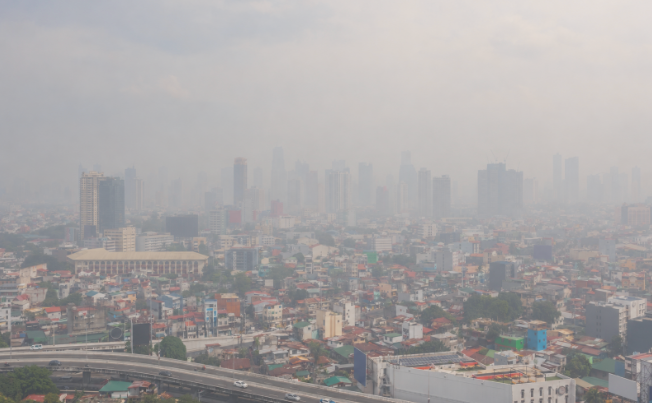
Many people judge the air by looking at the sky, but what matters more is the concentration of fine particles. PM2.5 levels can be high enough to affect your health even when visibility seems normal, and several days of poor air can matter more than a single bad day.
Who should take extra care
Some people are more vulnerable to poor air quality:
- Young children, whose lungs are still developing
- Older adults, who may have less reserve to cope with added stress on the lungs
- Pregnant women
- People with asthma, COPD, or heart disease
- People with weakened immune systems
Watch out for a persistent cough or throat discomfort. These are easy to brush off, but inflammation from repeated exposure can build up gradually.
Protecting your lungs
The first step is to stay informed about air quality in your area. When levels reach the range linked to higher health risks:
- Vulnerable individuals should cut back on prolonged outdoor activities where possible
- Indoors, an air purifier with a HEPA filter can help reduce exposure to PM2.5
- If you must go out, wear a properly fitted N95 mask, as surgical and cloth masks offer less protection
- If you have a chronic lung condition, keep taking your medication and keep your rescue inhaler on hand
Most importantly, seek medical attention early if your symptoms worsen. Do not wait until breathing becomes difficult.
Clean air is easy to take for granted. Paying attention to it, even when the sky looks clear, is a simple way to protect your lungs.
Medical Disclaimer
This article is intended for general education and awareness purposes only and does not constitute medical advice, diagnosis, or treatment. Individual symptoms and medical conditions may vary. Please consult a licensed medical practitioner for appropriate assessment.
For more information about Dr Aneez D.B. Ahmed and his medical practice, visit icts.com.sg or contact Beyond Medical Assistance (Philippines) via WhatsApp at (63) 956 0655 717

