

TAGUM CITY, Philippines — The Sangguniang Panlungsod of Tagum has approved on final reading the Mental Health Ordinance of Tagum City during its 50th Regular Session on July 20, 2026, marking a major milestone in strengthening the city’s mental health services.
The ordinance was principally authored and sponsored by Councilor Ciara Isabelle L. Uy-Salazar, chairperson of the committee on health, to institutionalize a comprehensive and community-based mental health system that ensures accessible, inclusive, and quality mental health care for every Tagumenyo.
Anchored on Republic Act No. 11036 or the Philippine Mental Health Act, the measure strengthens the delivery of mental health services by integrating mental health into primary health care, expanding psychosocial support, establishing referral systems, and promoting mental health awareness in schools, workplaces, and communities.
A key feature of the ordinance is the creation of the Tagum City Mental Health Council and a Mental Health Technical Working Group, which will coordinate the planning, implementation, and monitoring of mental health programs in partnership with government agencies, health professionals, civil society organizations, youth representatives, and the ATIMAN Center—a community-based mental health and resource facility providing free psychological care, mental health services, and support for children with special needs.
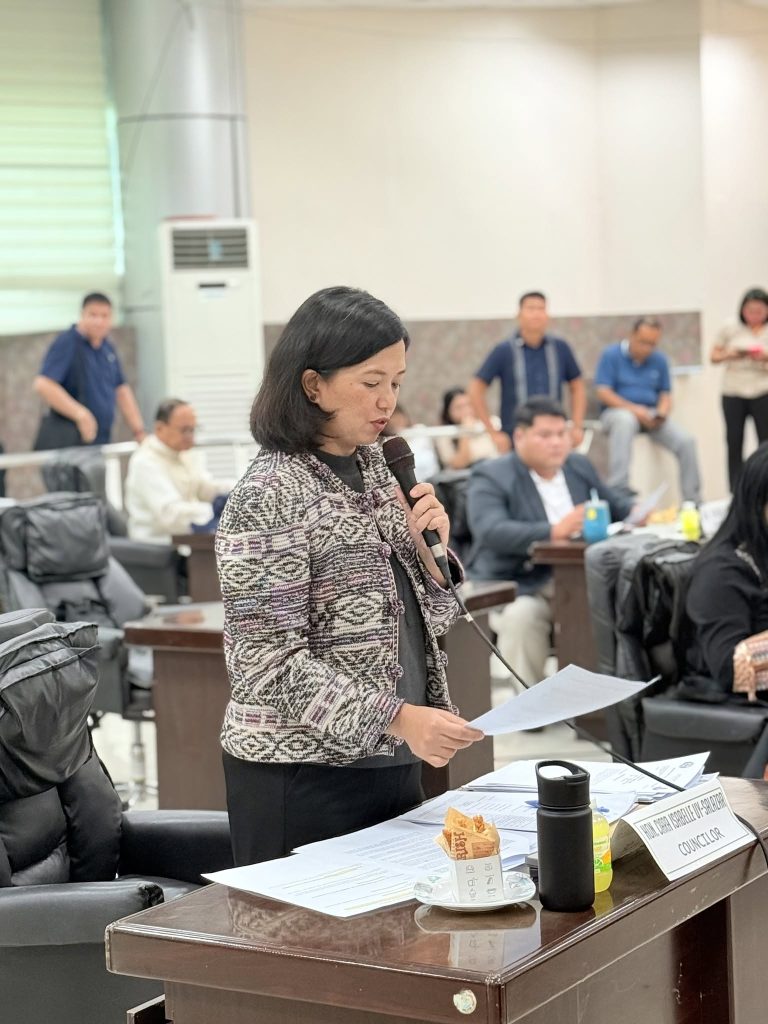
“This ordinance is about ensuring that every Tagumeyo has access to compassionate, community-based mental health care,” Uy-Salazar said. “By institutionalizing these programs, we are creating a stronger support system that protects dignity, promotes wellness, and encourages every individual to seek help without fear of stigma.”
The ordinance also promotes mental health education, workplace wellness programs, anti-discrimination measures, and rights-based mental health services while appropriating ₱2 million for its implementation.
With the ordinance’s approval on Final Reading, Tagum City takes another significant step toward building a healthier, more resilient, and more inclusive community through responsive local legislation.